Becoming a Medevac Helicopter Pilot

How to Become a Medevac Helicopter Pilot

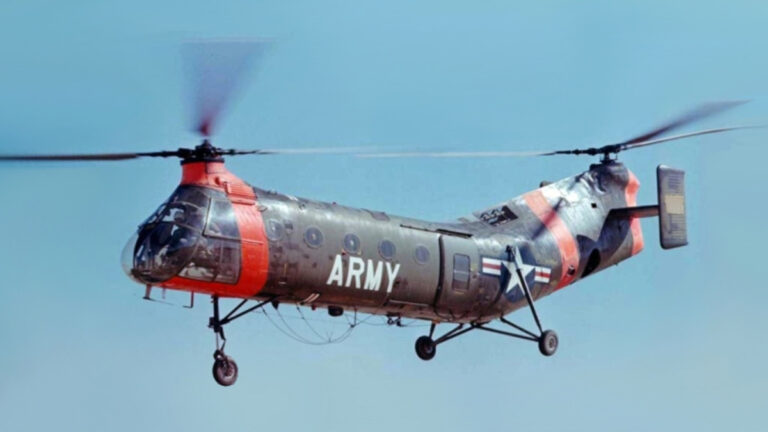
Being a medevac helicopter pilot has to be one of the most important vocations there is. That is especially true if you are planning to become an Army medevac helicopter pilot. Even civilian pilots fly into harm’s way to rescue the injured, making it a very human career choice for anyone with the aptitude. There are two routes to becoming a medevac helicopter pilot. The first is to join the army and become a helicopter pilot. The other is to train as a civilian and join one of the many medevac outfits running across the country. It is this latter that we shall discuss here.

Becoming a Civilian Medevac Helicopter Pilot

There are two major requirements to becoming a medevac helicopter pilot. The first is flight hours and the second is licenses. To become a pilot, you will need to pass some or all of five licenses. The private, commercial, instrument, instructor, and instructor with instrument licenses. If you choose to acquire all five, you will become a certified flight instructor with instrument or CFII.  You will need a minimum of 250 hours to pass these certifications with around 85 hours in the classroom. It takes more hours for the average pilot to become CFII, but it is possible to do it within that number of hours.

The main downside with civilian medevac helicopter pilot training is cost. With the army, you will be paid while you train in exchange for many years’ service. To train as a civilian cost around $80,000 to become CFII. Once you are CFII and have three hundred hours, you can begin instructing. Most pilots will enter the private sector to gather their 1,000 hours, which is the next goal. Once you have 1,000 hours, you can fly commercially, which most pilots will do in the Gulf of Mexico or in vacation areas flying tours. These are two ways to gain hours very quickly.

Once you have 2,500 hours you can apply for medevac. Nobody will contemplate hiring a helicopter pilot for medevac with less hours as the job is too demanding for anything less.

Helicopter Rescues Vietnam: True stories of helicopter rescues as told by the men who flew them

On August 6, 2011, a US Army CH-47D Chinook helicopter approached a landing zone in Afghanistan 40 miles southwest of Kabul. The helicopter, call sign Extortion 17, was on a mission to reinforce American and coalition special operations troops. It would never return. Insurgents fired at the Chinook, severed one of its rear rotor blades, and brought it crashing to the ground. All 38 onboard perished instantly in the single greatest moment of sacrifice for Americans in the war in Afghanistan.True stories of daring helicopter rescues as told by the men who flew them. Twenty two missions flown by youthful helicopter crews in service to their country and to their fellow comrades during the Vietnam War.

Medical Training

As well as flight training, it will be useful to obtain your third class (at least) medical certificate. A second-class medical certificate is the minimum a medevac helicopter pilot should hold. There are no entry-level medevac jobs, so you must hit the ground running, at your own expense.

The road to becoming a medevac helicopter pilot is a long one. Yet it is one of the most rewarding careers we know of. While initial training can be arduous and expensive, once you are qualified, you can earn decent money while you are logging hours. You can repay your loans, family, or earn a living while you are doing something you love, flying.

While competition is hot, there are possibilities as a medevac helicopter pilot. The profession requires a lot of skill, qualifications, and flying hours. Few, except ex-military pilots, can acquire such, so if you can, you have an advantage when it comes to finding work. Nobody is saying it is easy, but then nothing in life ever is!

Similar Posts

  • |

    Helicopter Flight Schools in Delaware

    Delaware, affectionately known as the “First State,” welcomes aviation enthusiasts to explore the thrill of helicopter flight against its scenic backdrop. Our article, “Helicopter Flight Schools in Delaware,” opens the door to a world where your dreams of soaring above Delaware’s woodlands and coastlines can become a reality.

    Picture yourself at the controls of a helicopter, with the lush landscapes of Delaware stretching beneath you. The state’s helicopter flight school is not just a place of learning; it’s a launchpad to embark on an incredible journey into the world of aviation.

    With Horizon Helicopters, Inc. in Newark, Delaware, we’ve highlighted a premier flight school that can turn your aspirations into achievements. Whether you’re pursuing a career as a professional pilot or seeking the pure joy of helicopter flight, Delaware’s flight schools offer tailored training programs to match your aspirations.

    Don’t miss this opportunity to transform your aerial dreams into an exhilarating reality. Dive into our article and begin your skyward adventure in the “First State” today!

  • Korean War and the Medevac Helicopter

    The development of helicopters during and after the Second World War proved the value and utility of rotary wing aircraft in combat situations. So much so that the Army, Navy and Air Force all set up their own helicopter development units.

    This enabled a shift in how critical care was delivered in combat. During previous conflicts, medical stations had to be as close to the front line as possible to shorten the path to care. This led to obvious risks and compromises in both treatment and conditions.  The advent of medevac helicopter meant that field hospitals could be set up in central locations and have patients delivered to them. That meant better care, better conditions and the ability to recover after operations before being evacuated. That alone saved hundreds of lives.

  • The Bell 206 Helicopter: A Marvel of Aeronautic Design

    Discover the captivating journey of the Bell 206 Helicopter, an engineering marvel that transitioned from military aspirations to global civilian acclaim. From its humble beginnings in the 1960s to setting world records in the ’90s, the Bell 206’s versatility, design, and global impact have made it an aeronautic legend. Dive into the tale of this exceptional airframe, its variants, and how it became a symbol of reliability and innovation in both military and civilian skies.

  • |

    The Evolution of the Bell 407: Building on the Legacy of the Bell 206

    The Bell 407 helicopter seamlessly integrates innovation and legacy, taking cues from the famed Bell 206 and the military-inspired OH-58. Introduced in 1995, this aircraft harmoniously blends groundbreaking design elements with proven performance features. From its robust engine to versatile variants like the Eagle 407 and the Bell 407GX, the 407 has made a global impact, mirroring the international acclaim of its predecessor. Delve into this article to understand the advancements, the global influence, and the lasting legacy of a helicopter that’s reshaping aerial transportation.

  • US Military Helicopters in Focus

    In the intricate theatre of modern warfare, the US military’s approach to conflict has evolved significantly, particularly within the rugged desert terrains of the Middle East. Central to this evolution are military helicopters, which have seamlessly transitioned from supporting roles to becoming linchpins in war strategy. These formidable flying machines have increasingly been used for vital attack and reconnaissance missions.

    Furthermore, the modern battlescape demands constant adaptation. Consequently, the US military is continuously in pursuit of advanced helicopter designs, encompassing cutting-edge technology to better equip them for their multifaceted roles on the battlefield.