Army Helicopter Pilots are highly trained

Army Helicopter Pilots Are Specially Trained

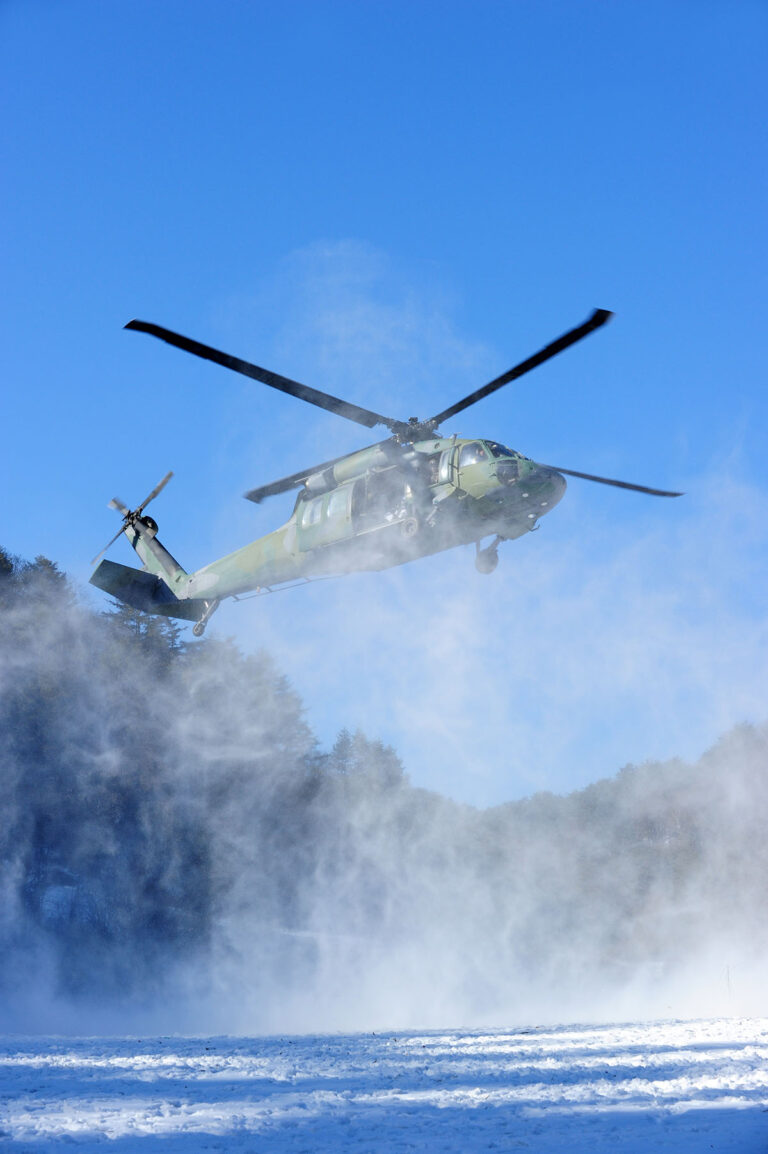
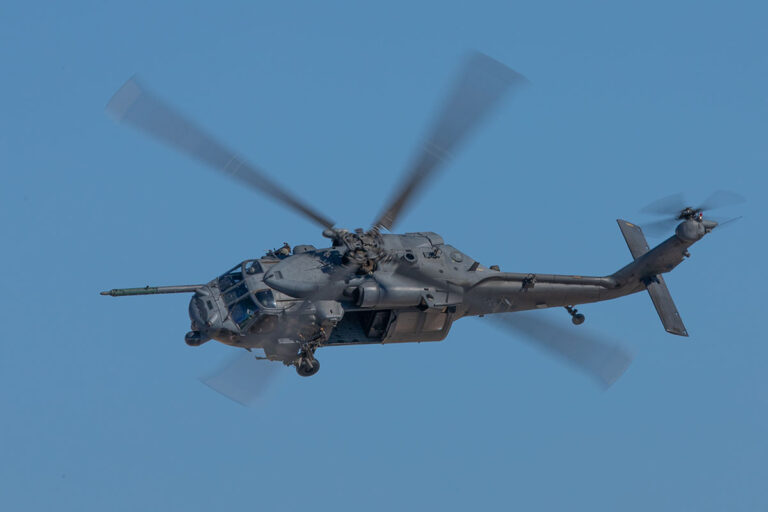
Army helicopter pilots are specially trained for combat missions and flying in challenging conditions. Becoming an army helicopter pilot must be one of the most exciting careers there is. You could be ferrying troops or ammunition in a Chinook helicopter, scouting in a Kiowa, working special operations in a Black Hawk helicopter, or controlling the awesome firepower of an Apache Attack Helicopter. The career of an Army pilot has a wide and varied working life in combat and out of it.

Army Helicopter Pilots and Their Training

Army helicopter pilots first have to learn basic combat skills, so the first order of the day will be basic combat training. That is nine weeks to learn what it is to be an army soldier. You will learn weapons handling, camouflage, drill and all the other skills you need to become a soldier.

Once basic training is over, it is off to warrant officer candidate school. This is where you will learn the technical skills all army pilots need to learn. Being a warrant officer instead of a commissioned officer means you can continue flying as your career progresses instead of moving around the chain of command as an officer would.

The Adventures of a Helicopter Pilot: Flying the H-34 helicopter in Vietnam for the United States Marine Corps
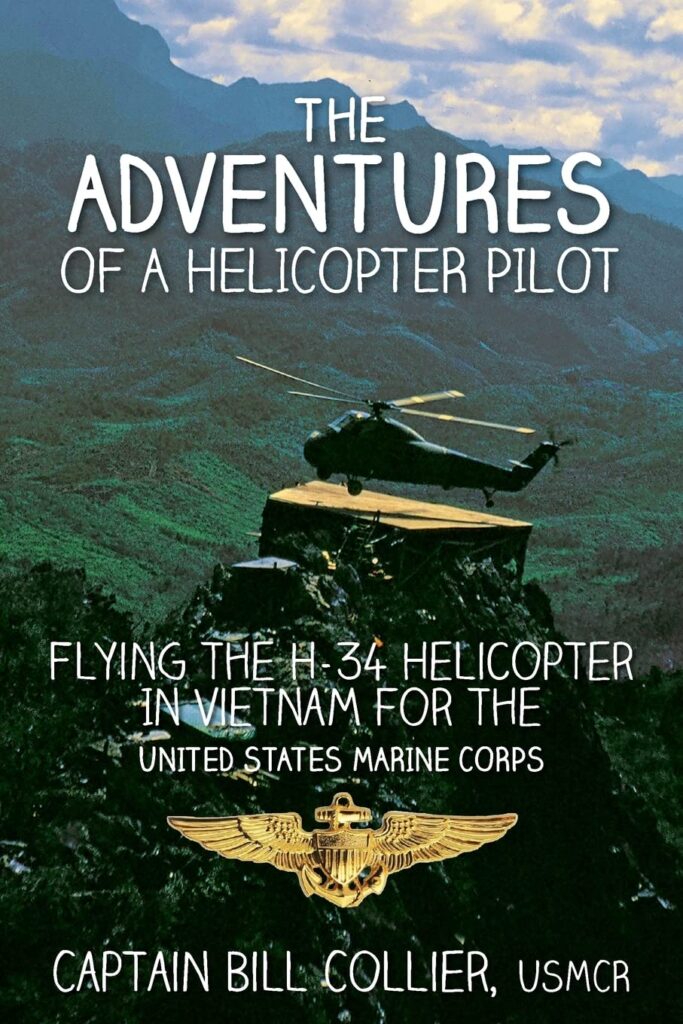
This is a spell-binding, first-hand account of what it was like to pilot a Marine Corps H-34 helicopter in combat during “The Helicopter War” in Vietnam. As a brand-new United States Naval Aviator, Second Lieutenant Bill Collier had many exciting adventures – some exciting, some horrific and some terrifying. This is the true story of his experiences during his 13 months in the war. Bill watched friends die violently and stood many times eye-to-eye and toe-to-toe with Death itself. Each time, Death flinched first.
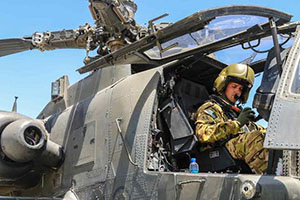
Army Helicopter Pilot in Helicopter Cockpit

Army Helicopter Pilots must prepare for the flight.

Once you finish warrant officer candidate school, you are off to Fort Rucker for flight training. This is where the challenging work really begins!

Flight Training for Army Pilots

Flight training for army pilots includes classroom instruction as well as actual flying. You will need to learn flight physics, systems, emergency procedures, navigation, and the myriad of other skills a pilot needs to know.

The first two weeks will be in the classroom, learning all those skills until you reach the required standard. The next stage is IERW, Initial Entry Rotary Wing Course. This is where you begin getting out of the classroom and out onto the flight line.

Your flying training begins in Warrior Hall, a large simulator room where you will begin learning your trade. You will need 7.5 hours of basic flight hours before learning combat maneuvers in a real helicopter.

First Steps

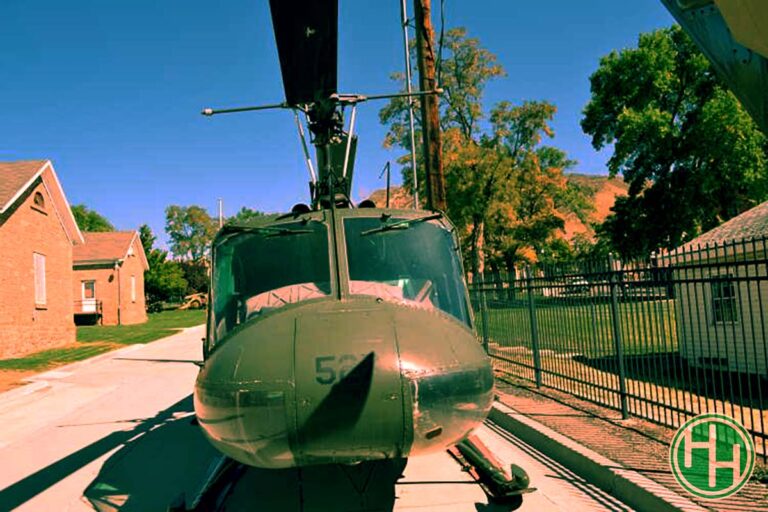
Current army pilots train in a TH-67. The first step is called being in Primary, where you will be paired with an instructor pilot to cover the basics of take-off, landing and so on. After logging enough hours, you will move on to instrument flying, night flying, and BCS training in a Scout or Huey.

Somewhere between weeks three and five, you will perform your Nickel Ride, three to four weeks after that, your first solo flight.

OBC comes next, where you learn to be an officer, as well as a pilot. You will learn to plan and execute missions, do mini-SERE, and go on a five-day exercise. Once complete, you will learn your next post assignment.

Advanced Aircraft Transition is a six-to-fourteen-week course that provides training on your specific helicopter of choice. Army pilots will generally learn to fly the Apache attack helicopter, Kiowa helicopter, Black Hawk helicopter or Chinook helicopter. Once you complete AAT, you will be assigned to your new squadron.

Army pilots never stop training. Even though you are now a qualified pilot, there is always something to learn. Whether it is a new airframe, instrument, weapon, or tactic. You will never be bored as an army pilot!

Similar Posts

  • The Kamov Ka-50 Odyssey: Russia’s Helicopter Revolution in the Skies

    Discover the unparalleled legacy of the Kamov Ka-50, a true marvel in the world of military aviation. Affectionately known as the ‘Black Shark’, this Russian combat helicopter has shaped the course of aerial warfare with its revolutionary design and unmatched capabilities. The article delves deep into the Kamov Ka-50’s rich historical roots, outlining its emergence as a game-changer in the skies. Learn about its innovative technical specifications, which set it apart from contemporaries and paved the way for future rotorcraft innovations. Explore the tactical roles it has masterfully executed, and the modern upgrades that ensure its relevance in today’s dynamic combat scenarios. Beyond the battlefield, witness the Kamov Ka-50’s cultural imprint, from video games to silver screens. This comprehensive exploration offers insights into not just an aircraft, but a symbol of Russian ingenuity and a testament to human engineering prowess.

  • Unlocking the Legacy: Exploring the Sikorsky UH-60 Black Hawk

    Delve into the history, versatility, and cultural impact of the Sikorsky UH-60 Black Hawk helicopter. Uncover its remarkable journey, from its visionary origins to its role as an enduring aviation icon. Explore its design, advanced technology, and impressive safety features that have made it a trusted choice for diverse missions worldwide. Discover how the Black Hawk has left its mark in film, literature, and popular culture, symbolizing strength and service. We’ll compare it to competing helicopters, showcasing its adaptability and reliability. Look into the future of the Black Hawk, with potential developments in materials, fuel efficiency, and unmanned systems. Join us on this captivating journey through the world of one of aviation’s most iconic symbols and uncover why the Sikorsky UH-60 Black Hawk continues to inspire and innovate.

  • More CH-47 Chinook Helicopter History

    The Boeing CH-47 Chinook Helicopter has a storied history. Initially developed as an expansion of the Vertol Model 107, it was favored by the Army. Why? Because of its substantial carrying capacity. Its prototype took to the skies on September 21, 1961, and the Army welcomed the CH-47A Chinook in 1972.

    These large twin rotors, combined with a roomy fuselage and cutting-edge turboshaft engines, provided a level of airlift ability previously unseen. Furthermore, the design of the Chinook’s fuselage is primarily free from obstructions, housing the engine and gearbox in pylons and fuel in side pods.

  • |

    The Huey Helicopter as a Medevac in Vietnam

    Helicopters were instrumental in the Vietnam War. The challenging terrain made land travel difficult. Moreover, long distances involved complicated things further. However, helicopters, particularly the Huey, changed the game. This article will explore how the Huey Helicopter became a crucial part of Medevac missions in Vietnam.

  • |

    Indonesia to buy Boeing’s F-15 jets, Lockheed’s Black Hawk helicopters

    MELBOURNE, Australia — Indonesia has committed to buying Boeing-made F-15 Eagle fighter jets and Sikorsky-made Black hawk helicopters. Air Vice Marshal Yusuf Jauhari, who leads the Defense Facilities Agency within Indonesia’s Defense Ministry, and Mark Sears, who serves as Boeing’s vice president and program manager for fighters, signed a memorandum of understanding on Aug. 21…

  • | |

    The Oldest Helicopters Still in Service Today

    Discover the fascinating journey of the oldest helicopters still in service today, a testament to human ingenuity and technological advancement. This detailed exploration delves into the rich history of iconic helicopters like the Sikorsky UH-1 Iroquois (Huey) and Boeing CH-47 Chinook, highlighting their remarkable longevity and enduring roles in both military and civilian sectors. From their early conceptual designs to their modern adaptations, these helicopters have evolved through continuous upgrades in avionics, engines, and structural materials.

    Our comprehensive analysis includes insights from aviation experts, comparative tables of technical specifications, and a look at future prospects and modernization programs. Learn how these helicopters have remained operational for decades, the critical missions they support, and the innovations that keep them relevant. Whether you are an aviation enthusiast, a history buff, or a professional in the field, this article offers a wealth of knowledge and intriguing insights into the resilient world of rotary-wing aircraft. Dive into the enduring legacy of these airborne workhorses and appreciate the technological marvels that keep them flying high.